
Automated Cross-Hole Deburring in 17-4 PH Stainless Steel.
Remove the burr where an M3 thread meets a Ø2.6 mm cross-hole, without touching the thread. On a precision medical connector, a UFIBER™ UF2615 Ø1.5 mm ceramic cross-hole brush replaced 3 minutes of manual deburring with an 18-second automated CNC step, with zero thread damage and scrap.
See the results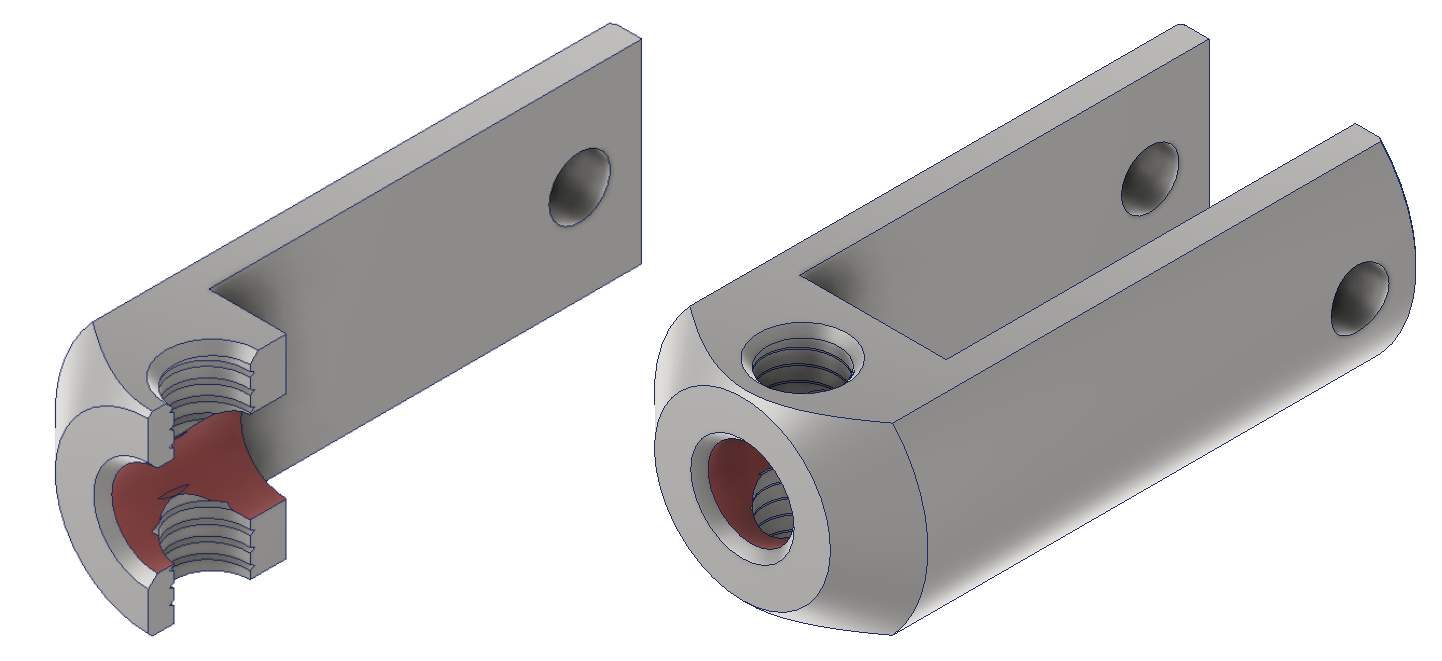 UF2615 · Ø1.5 mm · #1000
- Brush
- UF2615
- Spindle speed
- 7,000 RPM
- Table feed
- 100 mm/min
- Time per part
- 180 → 18 s
A burr where thread
meets cross-hole.
The challenge
A medical device manufacturer produces a precision hard connector in 17-4 PH stainless steel (ASTM A564 / Type 630 / X5CrNiCuNb16-4). An M3×0.6-6H thread is tapped across an existing Ø2.6 mm cross-hole, creating internal burrs at the intersection. This led to:
- Risk of damaging the thread profile
- Part rejection and scrap
- Manual deburring taking 3 minutes per part
- High labor costs
- Inconsistent surface quality
At 7,500 medical components per month, manual deburring was no longer sustainable.
Application details
- Industry
- Medical
- Application
- Cross-hole deburring after thread tapping
- Part
- Precision medical connector
- Material
- ASTM A564 / 17-4 PH / Type 630 / X5CrNiCuNb16-4
- Machine
- Star SR-20 JII Type B
- Thread
- M3×0.6 – 6H
- Cross-hole diameter
- Ø2.6 mm
- Cross-hole feature length
- 4.6 mm
The tool behind
the result.
- Brush diameter
- Ø1.5 mm
- Grit
- #1000 White
Designed for
- Small-diameter cross-holes
- Thread-exit burr removal
- CNC automated deburring
- Stainless steels, including 17-4 PH
| Workpiece material | 17-4 PH stainless steel |
|---|---|
| Cross-hole diameter | Ø2.6 mm (0.1023") |
| Cross-hole feature length | 4.6 mm |
| Thread | M3×0.6 – 6H |
| Machine | Star SR-20 JII Type B |
| Spindle speed | 7,000 RPM |
| Table feed | 100 mm/min (4 in/min) |
| Coolant | Dry |
| Reported result | 18 s per part, zero thread damage |
These values describe this application. Confirm the setup for your own parts with NOGA MT.
Machining
ON THE STAR SR-20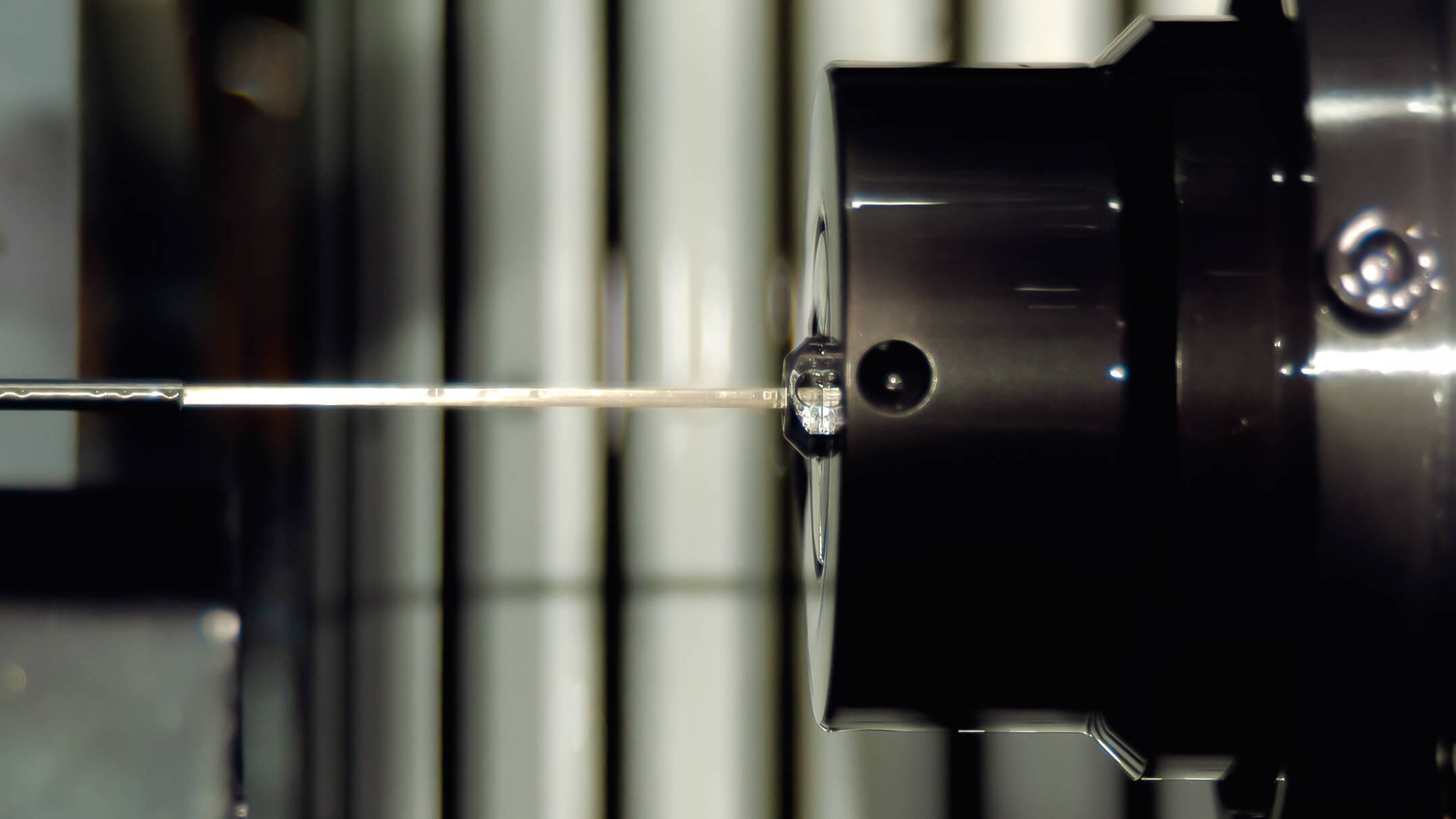
Watch the process
VIDEOFrom manual deburring
to an automated CNC step.
Before UFIBER
MANUAL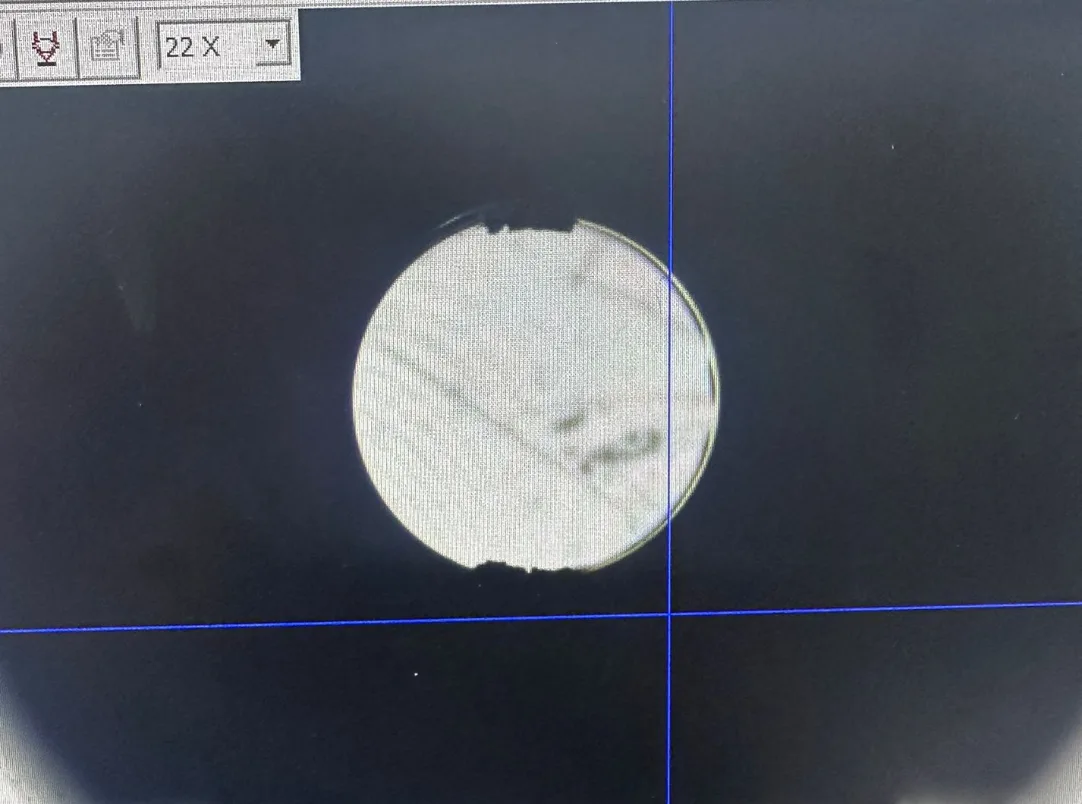
- Manual cross-hole deburring
- 180 seconds per part
- High risk of damaging the M3 thread
- Scrap due to thread damage
After UFIBER
AUTOMATED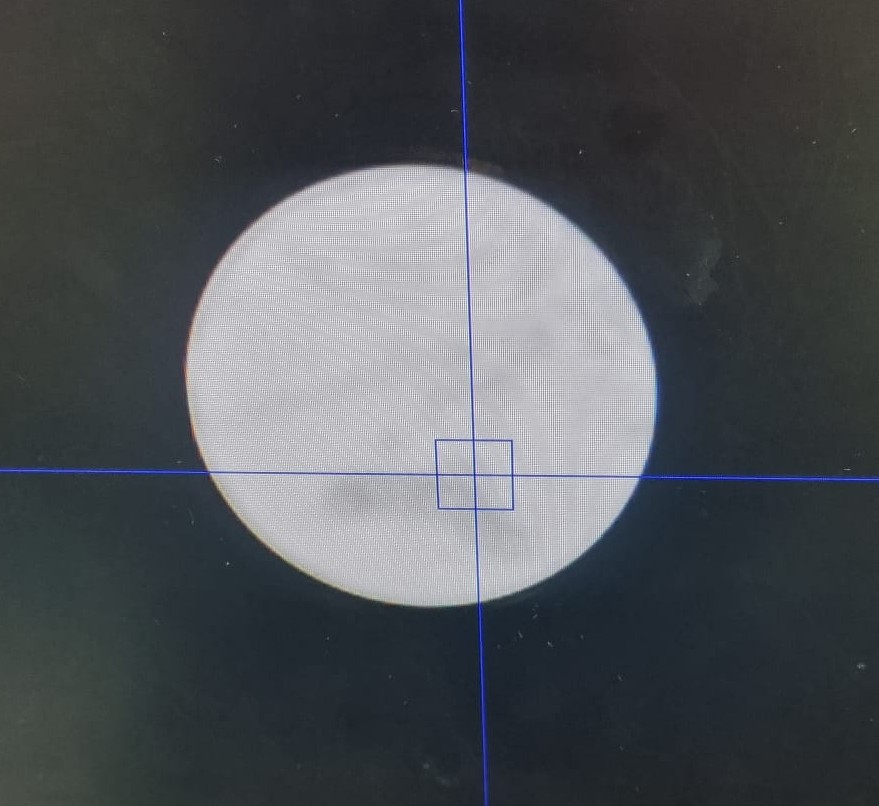
- Fully automated CNC cross-hole deburring
- 18 seconds per part
- 90% cycle time reduction
- Zero thread damage and scrap, improved process stability
Process overview
BEFORE & AFTER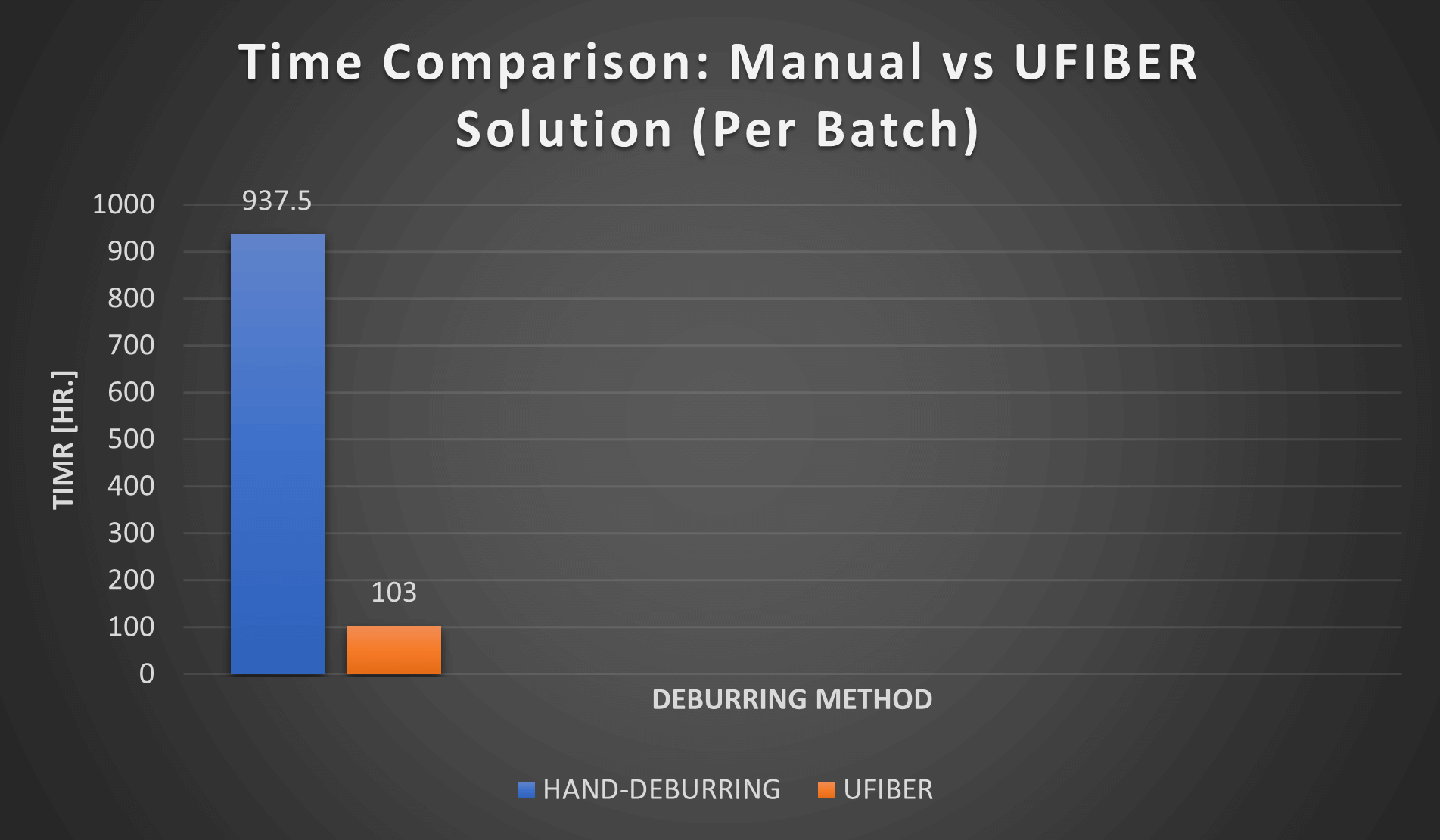
Key results
- 90% reduction in deburring time
- Thread damage risk eliminated
- Improved repeatability and surface quality
- Reduced operator dependency
- Higher production stability in medical manufacturing
- Fully integrated into the machining cycle
The UFIBER ceramic brush turned a slow, risky manual process into a controlled, repeatable automated operation within the machining cycle.