
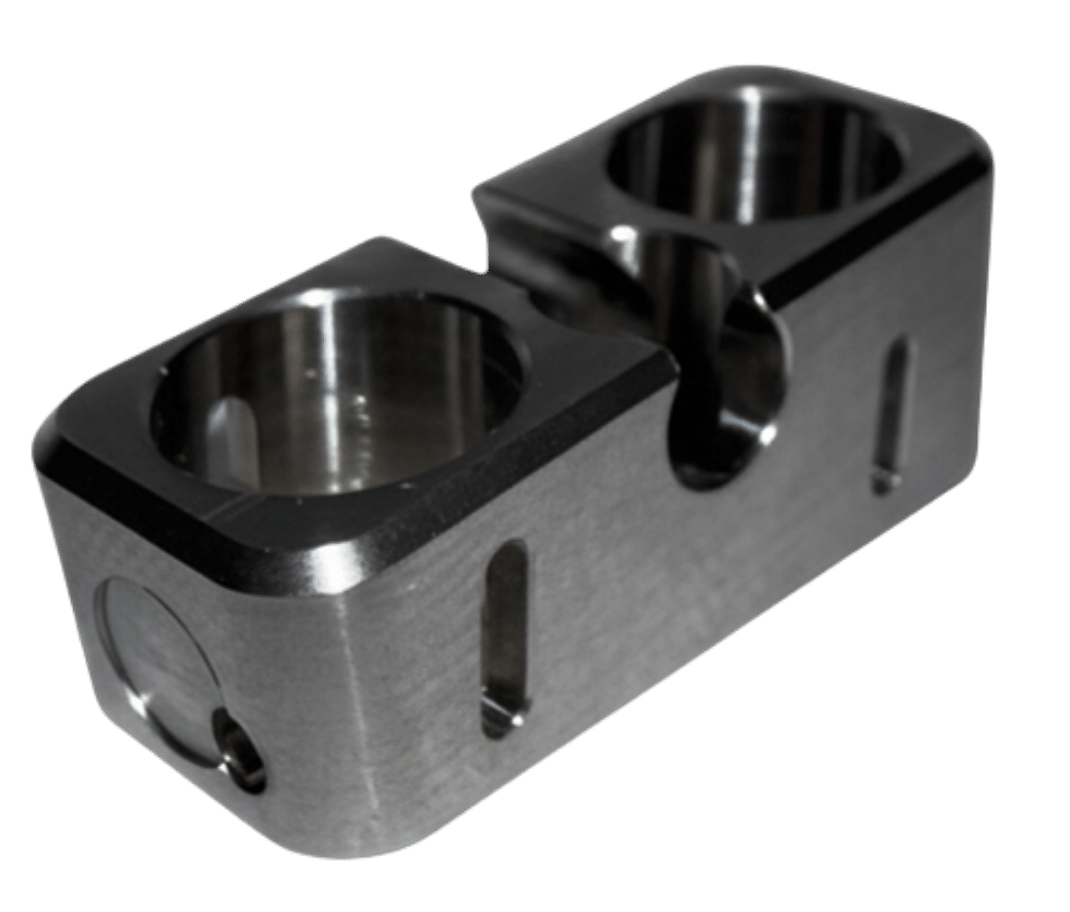
Before UFIBER
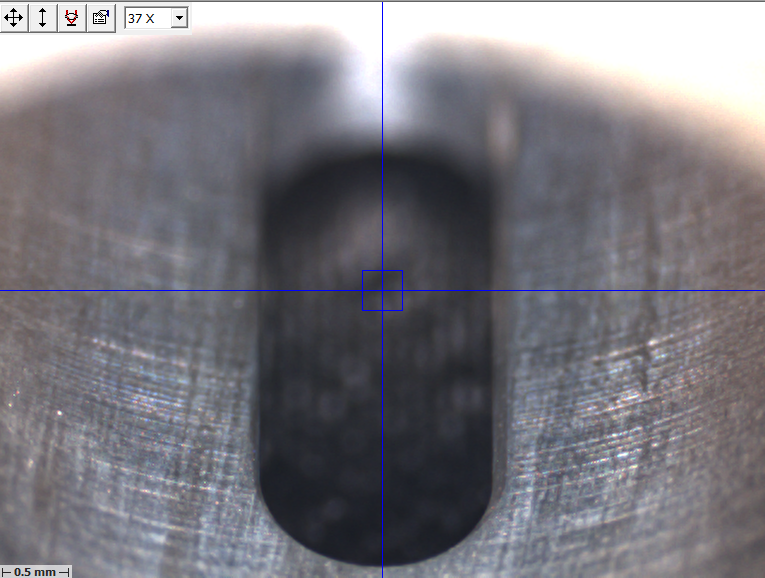
Microscopic inspection revealed visible burr formation at the cross-hole intersection after drilling. These burrs required secondary manual finishing operations before assembly.
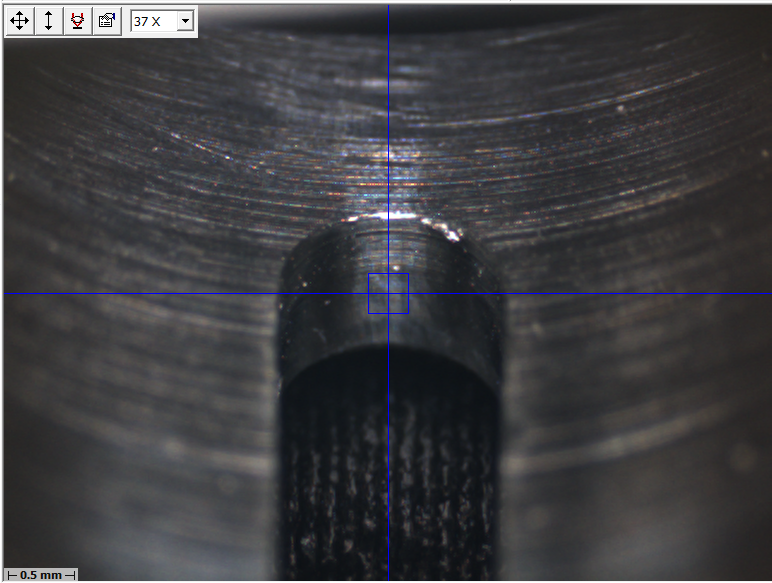
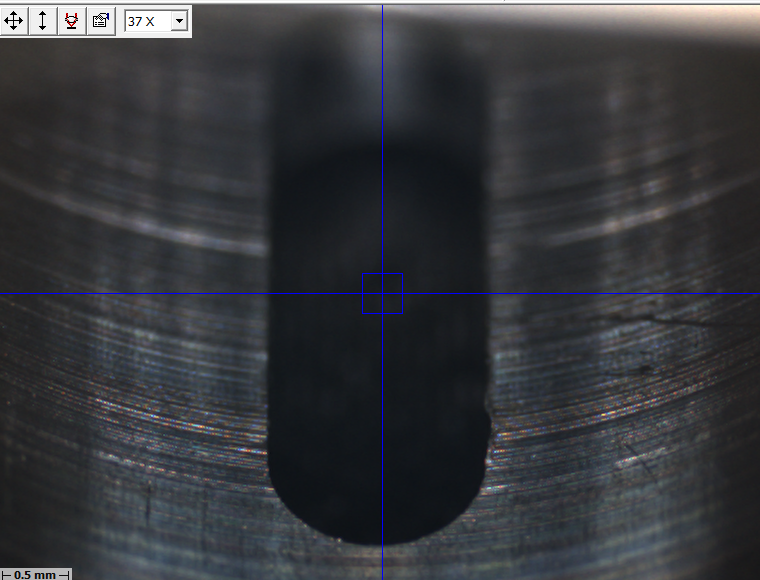
After UFIBER
The burrs were completely removed through the automated CNC deburring cycle. Internal edges became smooth and consistent while preserving dimensional accuracy of the component.
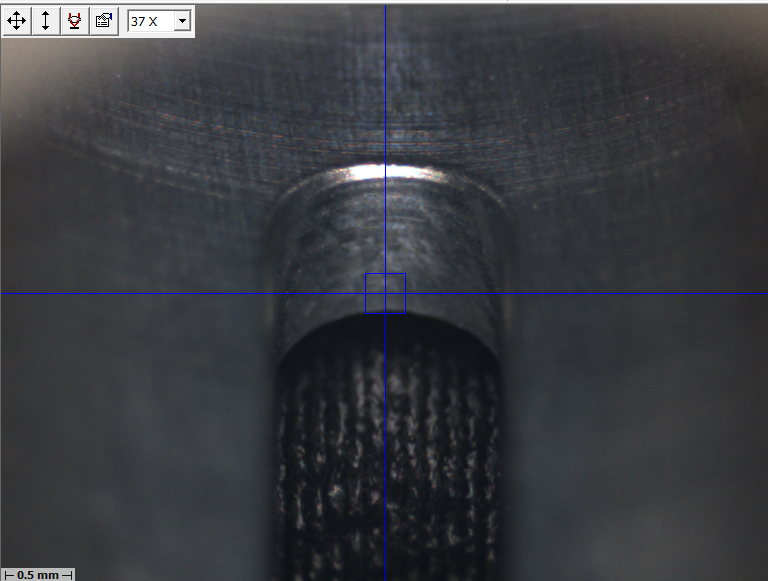
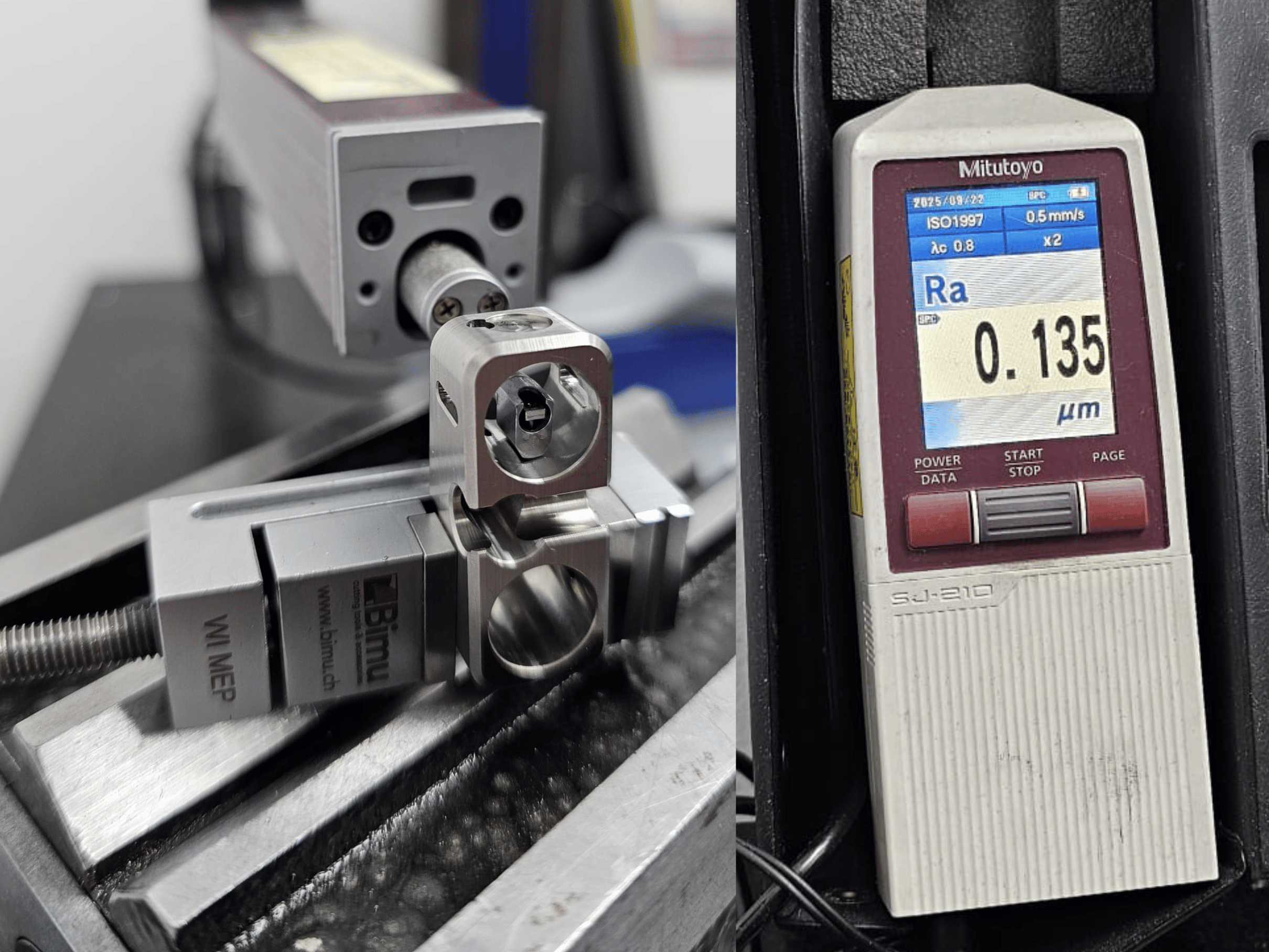
Surface quality measurements showed excellent finishing performance, achieving Ra 0.135 μm.
Key Benefits Achieved
 Fully automated cross-hole deburring
Consistent burr removal across production batches
Elimination of manual deburring operations
Improved internal surface quality
Reduced operator dependency
Improved process repeatability
Suitable for high-volume medical manufacturing
Protection of critical precision features
Why UFIBER for Medical Manufacturing?
Medical components often contain internal passages, intersecting holes, and precision surfaces that are difficult to deburr manually without damaging the workpiece.
UFIBER ceramic fiber brushes provide:
- Stable grinding performance
- Excellent conformity to complex geometries
- Long tool life
- Automation compatibility
- Superior surface finish
- Reliable burr removal in stainless steel materials
The nano-technology ceramic fibers continuously expose fresh abrasive grains, maintaining cutting performance throughout the tool life while supporting fully automated CNC production environments.
Conclusion
By implementing the NOGA MT UFIBER™ Cross-Hole Brush, the customer successfully transformed a labor-intensive manual deburring operation into a fully automated CNC process.
The solution delivered reliable burr removal, improved surface finish, and repeatable quality on SUS303 medical manifold blocks while supporting monthly production volumes of 10,000 parts.
UFIBER enabled the customer to improve productivity, reduce manual intervention, and maintain the high-quality standards required in medical manufacturing.